 Pin this
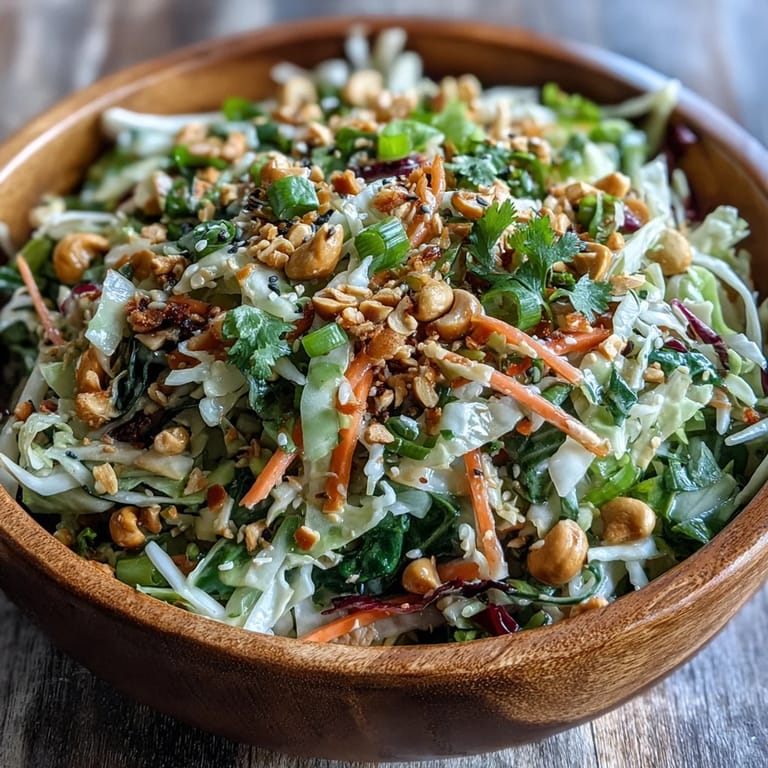
 My neighbor handed me a takeout container one afternoon, steam still rising from the lid, and said, "Try this—I made it at home." It was an Asian cabbage salad, and I couldn't believe how the simple vegetables tasted alive, crackling with sesame and ginger in a way that made store-bought versions feel tired by comparison. That moment taught me that the best side dishes aren't afterthoughts; they're the ones that make you want seconds before the main course arrives.
I made this salad for a potluck where everyone brought heavy casseroles and cream-based dishes, and watching people's faces light up when they bit into something bright and fresh reminded me why I love cooking at all. One friend actually asked for the recipe mid-chew, which felt like the highest compliment I could get.
Ingredients
- Green and red cabbage (6 cups total): The mix of colors isn't just pretty—red cabbage has a slightly sweeter, more delicate flavor that balances the peppery bite of green, and together they create something more interesting than either alone.
- Carrot, julienned: Cut into thin matchsticks so they soften slightly when tossed with the dressing while still maintaining a gentle crunch.
- Green onions: Slice them thin enough that they distribute throughout the salad rather than leaving big chunks; the whites and greens both have their place here.
- Fresh cilantro: Chop it just before assembling or it'll bruise and turn dark—fresh herbs deserve that small kindness.
- Roasted cashews or peanuts: The roasting is crucial because it deepens the flavor; raw nuts will feel flat and floppy by comparison.
- Toasted sesame seeds: Toast them yourself if you can, even just in a dry pan for two minutes, because the difference between toasted and raw sesame seeds is the difference between a salad that sings and one that whispers.
- Toasted sesame oil: This is not the place to go light-handed; it's the backbone of the whole flavor profile, so don't substitute with regular oil or the soul of the dish disappears.
- Rice vinegar: Milder and slightly sweeter than white vinegar, it adds brightness without aggression.
- Soy sauce or tamari: Use tamari if you're avoiding gluten, but know that the flavor will be almost imperceptibly different to most people.
- Lime juice: Fresh lime, always—bottled tastes hollow by comparison.
- Honey or maple syrup: A small amount balances the acid and salt, rounding out the sharpness into something harmonious.
- Ginger and garlic: Freshly grated and minced, never from a jar if you want the dressing to taste like you actually cared.
- Sriracha (optional): Add it if you want heat, but the salad is perfectly lovely without it for people who prefer their vegetables to behave.
Tired of Takeout? 🥡
Get 10 meals you can make faster than delivery arrives. Seriously.
One email. No spam. Unsubscribe anytime.
Instructions
- Prepare the vegetables:
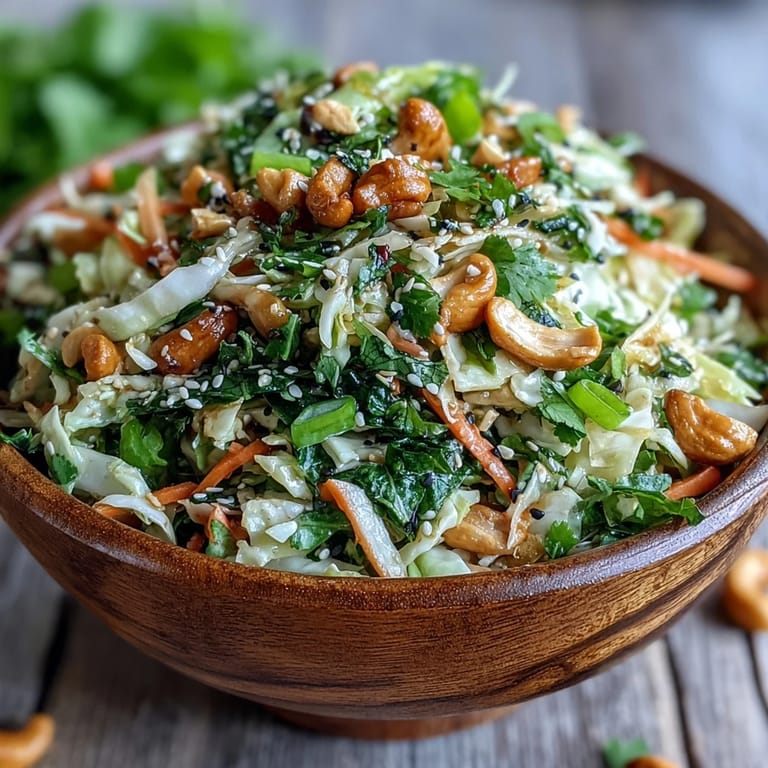
- Shred your cabbage (a box grater or food processor makes this less tedious), julienne the carrot, and slice the green onions and cilantro. Arrange everything in a large bowl and take a moment to appreciate how the colors look together before they get mixed.
- Make the dressing:
- Whisk the sesame oil, rice vinegar, soy sauce, lime juice, honey, ginger, and garlic together in a small bowl, tasting as you go and adjusting the balance if something feels off. The dressing should taste balanced—not too sharp, not too sweet, with the ginger and garlic present but not overpowering.
- Dress the salad:
- Pour the dressing over the cabbage mixture and toss everything together with your hands or two spoons, making sure every piece of cabbage gets coated. You'll notice the cabbage begin to soften just slightly and release its own liquid, which mingles with the dressing in the most appealing way.
- Add the crunch:
- Fold in the chopped nuts and sesame seeds right before serving, or keep them separate and let people sprinkle them on themselves if you're making this ahead and worried about losing the texture.
- Serve or store:
- Eat it immediately if you want maximum crunch, or cover and refrigerate for up to two hours if you prefer the flavors to meld and soften slightly. Either way, it's better the day it's made.
 Pin this
 My sister brought her new boyfriend to dinner and mentioned how much he hated vegetables, and I watched him go back for thirds of this salad without realizing what he was eating. That's when I understood that this recipe isn't just about making something healthy; it's about making something so delicious that the health part becomes beside the point.
Why This Salad Works as a Side Dish
There's something about the way Asian flavors work with grilled meat that feels effortless and right—the sesame and ginger play with charred protein in a way that salads with vinaigrette dressings sometimes can't quite manage. I've learned that the best side dishes don't apologize or fade into the background; they add something essential to the meal that was missing before they arrived.
Making It Your Own
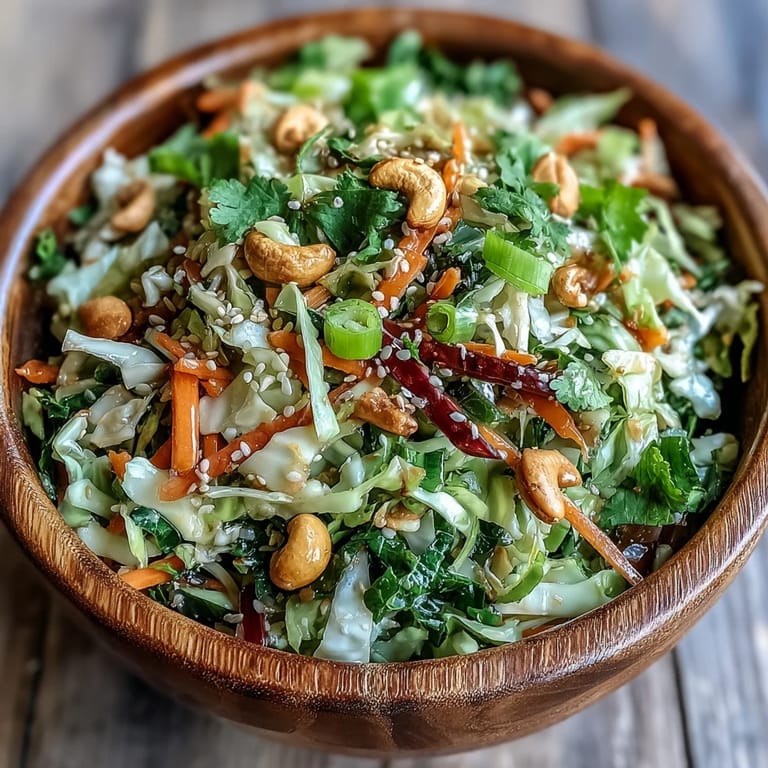
This recipe is more flexible than it looks, and that's part of why I keep making it. Snap peas, sliced bell pepper, or cucumber can all join the party without changing the essential character of the dish. The beauty is that as long as you keep the dressing consistent, you can play with what goes into it depending on what looks good at the market that week.
Storage and Timing Tips
I've learned through trial and error that this salad has a narrow window where it's perfect, but the window is forgiving enough for real life. You can prep all the vegetables hours in advance, keeping them in separate containers, and only dress and assemble when you're ready to eat.
- If you're making this for a potluck or gathering, prepare everything except the nuts and seeds, then add them on-site so they stay crisp.
- Leftover salad can be eaten cold the next day, though the cabbage will be softer and the nuts less crunchy—it's still good, just different.
- The dressing keeps for three days in a sealed jar, so you can make double and have it ready for impromptu salads later in the week.
 Pin this
 This salad has become my go-to when I need something that feels both comforting and exciting, like I actually tried but also like I knew what I was doing all along. It's proof that the simplest recipes, made with intention and good ingredients, are often the ones people remember.
Frequently Asked Recipe Questions
- → Can I make this salad ahead of time?
You can prepare the vegetables and dressing separately up to 24 hours in advance. Toss them together just before serving to maintain maximum crunch, or combine up to 2 hours ahead if you prefer slightly softened cabbage.
- → What can I substitute for rice vinegar?
Apple cider vinegar works well as a substitute for rice vinegar. You can also use white wine vinegar, though the flavor will be slightly sharper. Start with less and adjust to taste.
- → How do I make this nut-free?
Simply omit the cashews or peanuts and increase the toasted sesame seeds to 1/4 cup for added texture and flavor. You can also add sunflower seeds or pumpkin seeds as alternatives.
- → Can I add protein to make it a main dish?
Absolutely! Top with grilled chicken, shrimp, tofu, or edamame to transform this side dish into a satisfying main course. The sesame-ginger dressing pairs beautifully with all these proteins.
- → How long will leftovers keep?
Store dressed salad in an airtight container in the refrigerator for up to 24 hours. The cabbage will soften over time but remains flavorful. For best results, store dressing separately and toss just before eating.
- → Is this salad spicy?
The sriracha or chili sauce is optional, so you control the heat level. Without it, the salad has a mild, tangy-sweet flavor. Add more sriracha if you prefer extra spice.