 Pin this
 Last October, my kitchen smelled like caramelized squash for three days straight, and honestly, I wasn't mad about it. A friend had dropped off a butternut squash from their garden—enormous, oddly shaped, the kind that sits on your counter and makes you promise you'll actually use it. That evening, I roasted it with nothing but olive oil and salt, and the transformation was immediate: pale flesh turning golden, edges blistering, the whole thing smelling like autumn had decided to move in. That's when I knew this soup had to happen.
I made this for a dinner party in November when everything outside had turned brown and gray. My guests arrived cold and tired, and within twenty minutes, they were holding warm bowls and closing their eyes like they'd just been wrapped in a blanket. One person asked for the recipe right there at the table, and another went back for seconds before their first bowl was even finished. That's the moment I realized this soup does something special—it doesn't just fill you up, it actually makes you feel better.
Ingredients
- Butternut squash: Get one that feels heavy for its size and has a deep golden color; smaller ones tend to be sweeter and less watery than the enormous ones.
- Yellow onion: The mild sweetness balances the spices and adds depth without overpowering the squash.
- Garlic: Just two cloves keep things subtle—this is about the squash, not about making it garlicky.
- Vegetable broth: Use good quality broth; it's the backbone of flavor here and makes a real difference.
- Coconut milk or heavy cream: Coconut milk keeps things vegan and adds a tropical note that somehow works; cream makes it richer and more classic.
- Maple syrup: Pure maple is worth it here because you're not cooking it down into oblivion, so the real flavor shines.
- Nutmeg and cinnamon: These aren't afterthoughts; they're the warm spices that make people say, 'what is that flavor?'
- Olive oil: Use it for roasting and sautéing—good oil makes the whole thing taste intentional.
Tired of Takeout? 🥡
Get 10 meals you can make faster than delivery arrives. Seriously.
One email. No spam. Unsubscribe anytime.
Instructions
- Get your oven ready and prep the squash:
- Preheat to 200°C (400°F) while you cut and cube your squash. Yes, it's a bit of work, but roasting small pieces instead of halves means more caramelized edges, which is where all the flavor lives.
- Roast until it's golden and tender:
- Toss your squash with olive oil, salt, and pepper on a baking sheet, then slide it in for 30 to 35 minutes, stirring halfway through. You'll know it's done when the edges are dark and caramelized and a fork slides through the flesh easily.
- Build the flavor base:
- Heat olive oil in a large pot over medium heat, add your onion, and let it soften for about five minutes until it's turning translucent and sweet-smelling. Add the garlic and cook for one more minute—you want it fragrant but not brown.
- Bring everything together:
- Add your roasted squash, vegetable broth, water, maple syrup, nutmeg, and cinnamon to the pot and stir well. The spices should be distributed evenly so every spoonful tastes balanced.
- Simmer to meld the flavors:
- Bring the whole thing to a boil, then lower the heat and let it bubble gently for about ten minutes. This short simmer lets the spices infuse and the flavors become friends instead of strangers.
- Blend until silky:
- Using an immersion blender, purée the soup right in the pot until it's completely smooth and creamy. If you're using a countertop blender, work in batches and be careful with hot liquid.
- Add the cream and taste:
- Stir in your coconut milk or heavy cream and taste as you go, adding salt and pepper until it tastes right to you. Every broth is different, so trust your palate here.
- Serve warm with good toppings:
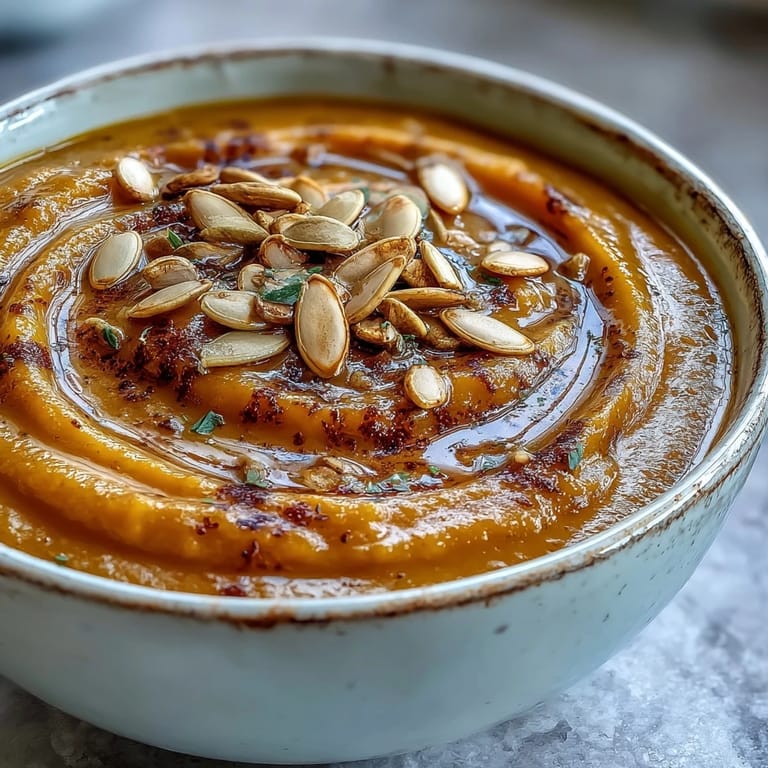
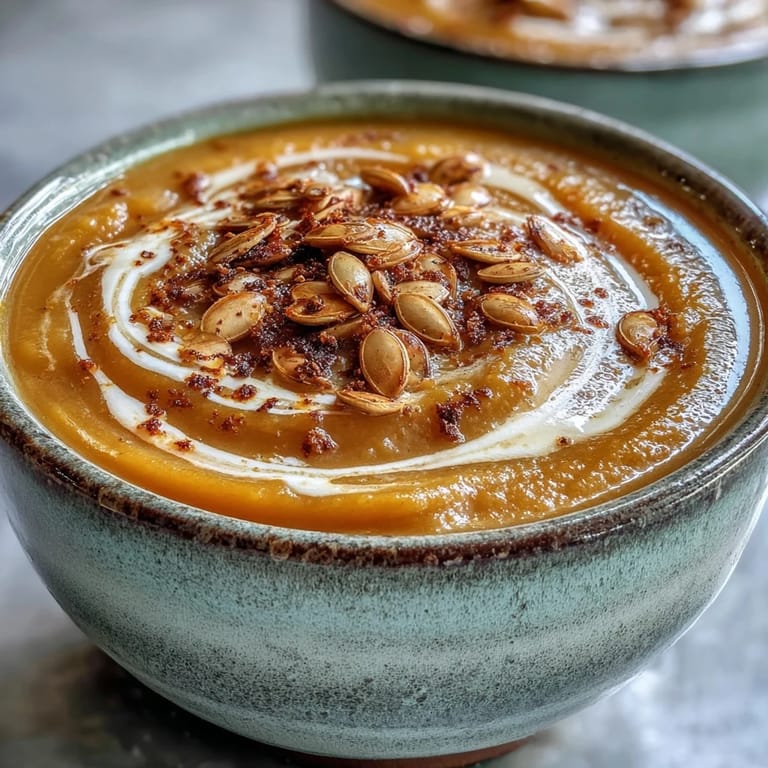
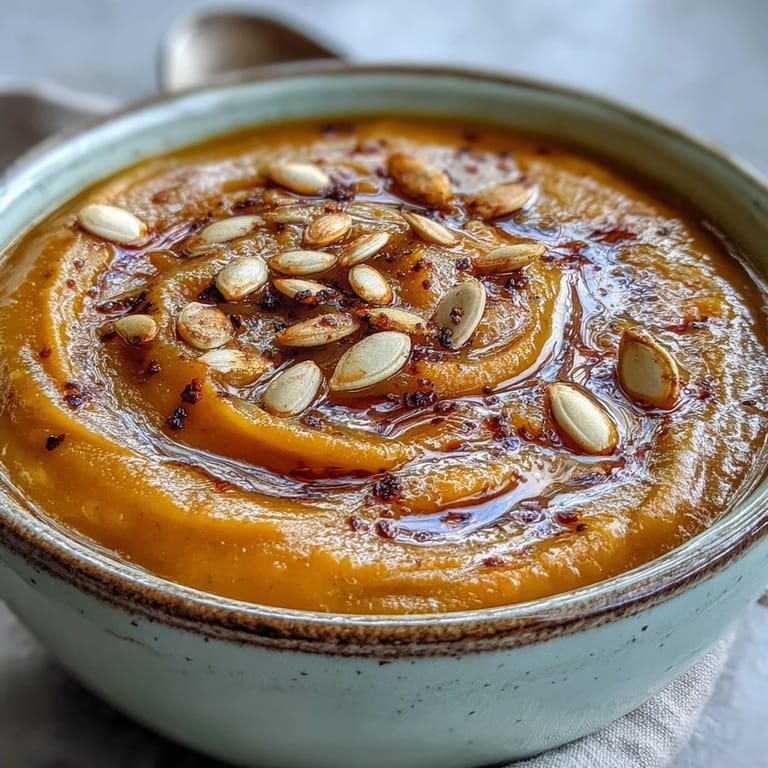
- Ladle the soup into bowls and scatter toasted pumpkin seeds on top, add a small drizzle of maple syrup, and maybe some fresh thyme if you have it.
 Pin this
 There was a Tuesday morning in late autumn when I made this soup and brought a container to my neighbor who had just come home from the hospital. She opened her door looking exhausted, and I handed her the warm soup with a spoon. When I saw her the next day, she said it was the first thing that day that had tasted like something worth eating. That's the moment I understood—soup is humble, but it can be exactly what someone needs.
Why Roasting Changes Everything
The difference between roasted butternut squash soup and boiled butternut squash soup is like comparing a photograph taken in harsh sunlight to one taken in golden hour light. Roasting concentrates the natural sugars and creates a deeper, more complex flavor through caramelization. The edges of the squash turn almost nutty and sweet, and when you blend that into the soup, it becomes something rich and satisfying without needing cream to do all the heavy lifting.
The Spice Equation
Nutmeg and cinnamon can easily overwhelm a delicate squash soup if you're not paying attention. The trick is thinking of them not as main flavors but as supporting players that make the squash taste more like itself. When you taste the soup and think, 'something is warm and comforting about this, but I can't quite name it,' that's the spices doing exactly what they're supposed to do. Too much, and people will ask if you accidentally made pumpkin pie soup.
Making It Your Own
This recipe is flexible enough that you can make it yours without losing what makes it special. Some people love a tiny pinch of cayenne pepper for a whisper of heat, while others swirl in crispy sage oil at the end or add a splash of apple cider vinegar for brightness. The base is solid, but the toppings and finishing touches are where your personality comes through.
- If you want it vegan, use coconut milk and make sure your vegetable broth is vegan-certified.
- For extra richness, use half heavy cream and half coconut milk instead of choosing one.
- Toasted pumpkin seeds, crispy sage, and a drizzle of good olive oil all make the soup feel more special when it lands in the bowl.
 Pin this
 This soup has become my go-to recipe for when I want to feel like I'm taking care of myself or someone else. It's simple enough that you don't need to stress, but thoughtful enough that it tastes like you really tried.
Frequently Asked Recipe Questions
- → Can I make this soup ahead of time?
Absolutely. This soup actually develops deeper flavors when made ahead. Store in the refrigerator for up to 4 days or freeze for 3 months. Reheat gently over medium-low heat, adding a splash of broth or water if it thickens too much.
- → What's the best way to purée the soup?
An immersion blender works beautifully directly in the pot. If using a countertop blender, work in batches and never fill past halfway—hot liquid expands when blended. Remove the center cap of the lid and cover with a kitchen towel to release steam safely.
- → Can I substitute the maple syrup?
Honey or brown sugar work as alternatives, though maple syrup provides the most complementary flavor profile to butternut squash. Adjust quantities slightly since sweetness levels vary between sweeteners.
- → Is roasting the squash necessary?
While you can boil or steam the squash, roasting caramelizes the natural sugars and creates significantly deeper flavor. The extra 30 minutes in the oven transforms this from good to exceptional.
- → How do I adjust the consistency?
For thicker soup, reduce the water or add less broth initially. For a thinner consistency, simply add more vegetable broth, water, or even a bit more coconut milk until you reach your desired texture.