 Pin this
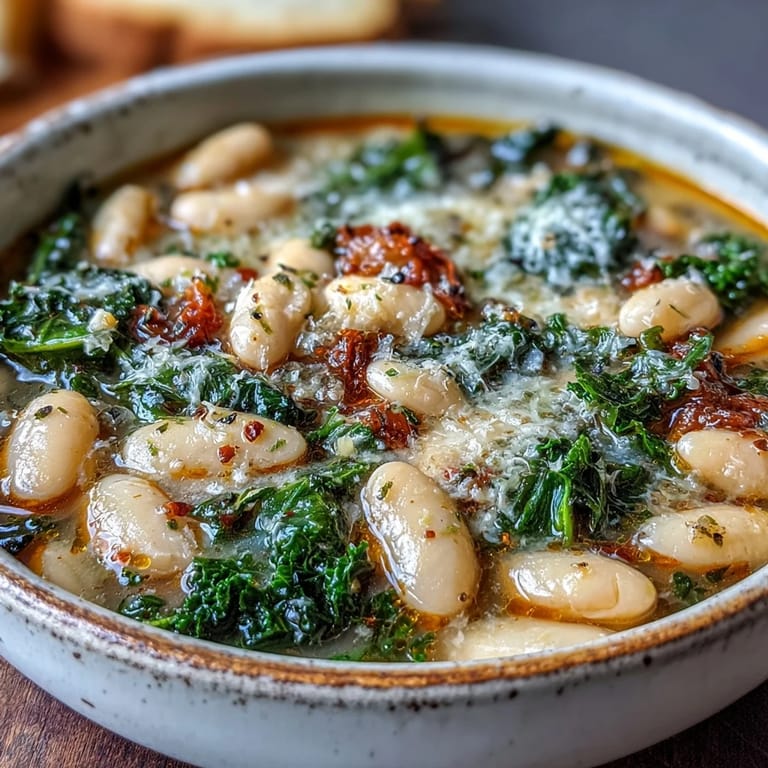
 There's something about the smell of sautéing carrots and celery that instantly transforms my kitchen into something warmer, something intentional. Last February, I was standing at my stove on a particularly gray afternoon when my neighbor stopped by unannounced, and instead of feeling rushed, I found myself pulling out another bowl because this soup seemed to know exactly what we both needed. The kale wilts into the broth like it's been waiting there all along, and the beans become this creamy, almost buttery foundation that feels both humble and deeply satisfying.
I made this for my mother after she'd had a rough week, and watching her spoon it up while steam rose from the bowl felt like the most honest thing I could offer. She asked for the recipe the next day, which meant I'd gotten something right about the balance of vegetables and herbs, that gentle warmth of rosemary and thyme working together like they'd been friends forever.
Ingredients
- Olive oil: Use good oil here because you'll taste it in those first minutes when everything is softening, and it sets the tone for everything that follows.
- Yellow onion, carrots, and celery: This is the holy trinity of Italian cooking, and those vegetables are doing the real foundational work, building flavor from the ground up.
- Garlic cloves: Mince them small so they disappear into the broth almost immediately, giving you their essence rather than chunks.
- Kale: Strip the leaves from those tough stems without hesitation—the stems are better composted or saved for broth, and your soup will be silkier for it.
- Diced tomatoes: Drain them well so you're not adding extra liquid and watering down all your careful seasoning work.
- Cannellini beans: Rinse them thoroughly under cold water to remove that starchy liquid that can make your soup gummy if you're not careful.
- Vegetable broth: Low-sodium is crucial because you're going to season this yourself and you want that control.
- Thyme and rosemary: Dried herbs work beautifully here and their warmth is exactly what this soup needs to feel like home.
- Bay leaf: One is enough—it's a whisper, not a shout, and you'll fish it out before serving.
- Red pepper flakes: Optional but honest, a tiny push of heat that wakes everything up without overpowering.
- Parmesan cheese: Freshly grated because pre-shredded just doesn't melt and distribute the same way, and you deserve better than that.
Tired of Takeout? 🥡
Get 10 meals you can make faster than delivery arrives. Seriously.
One email. No spam. Unsubscribe anytime.
Instructions
- Begin with the foundation:
- Heat your olive oil in a large pot until it shimmers slightly, then add the onion, carrots, and celery all at once. You'll want to stir them occasionally over medium heat for about five to six minutes until they start to soften and release their sweetness, and the kitchen will smell like something is beginning.
- Introduce the garlic:
- Once those vegetables are tender, add your minced garlic and let it cook for just one minute—any longer and it becomes bitter, any shorter and it doesn't fully wake up. You'll know it's ready when the smell shifts from raw to fragrant and mellow.
- Wilt the kale gently:
- Add your chopped kale to the pot and stir it around for two to three minutes until it starts to soften and darken just slightly. This step matters because you're warming it through and making space for it in the broth that's coming.
- Build the broth:
- Now add the drained tomatoes, rinsed beans, vegetable broth, water, thyme, rosemary, bay leaf, and red pepper flakes if you're using them. Stir everything together so nothing sticks to the bottom and the herbs are distributed evenly throughout.
- Simmer and let it become itself:
- Bring the whole pot to a boil, then immediately lower the heat and let it simmer uncovered for about twenty-five minutes, stirring occasionally so it cooks evenly. The broth will deepen in color and the flavors will start talking to each other, and your house will smell like an Italian grandmother's kitchen.
- Make it creamy:
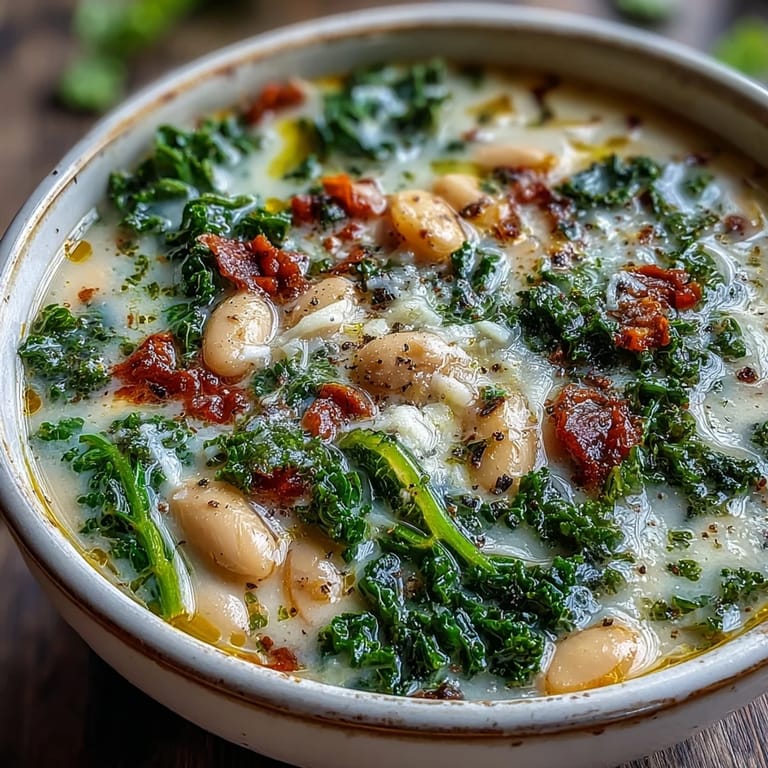
- After you fish out the bay leaf, take a potato masher and gently crush some of the beans right in the pot—you're not making a puree, just releasing some of their starch to make everything silkier. This is the secret move that makes people ask if you added cream.
- Season and taste:
- Add salt and pepper slowly and taste as you go, because seasoning is personal and what feels right to me might be different for you. Trust your palate here.
- Serve with ceremony:
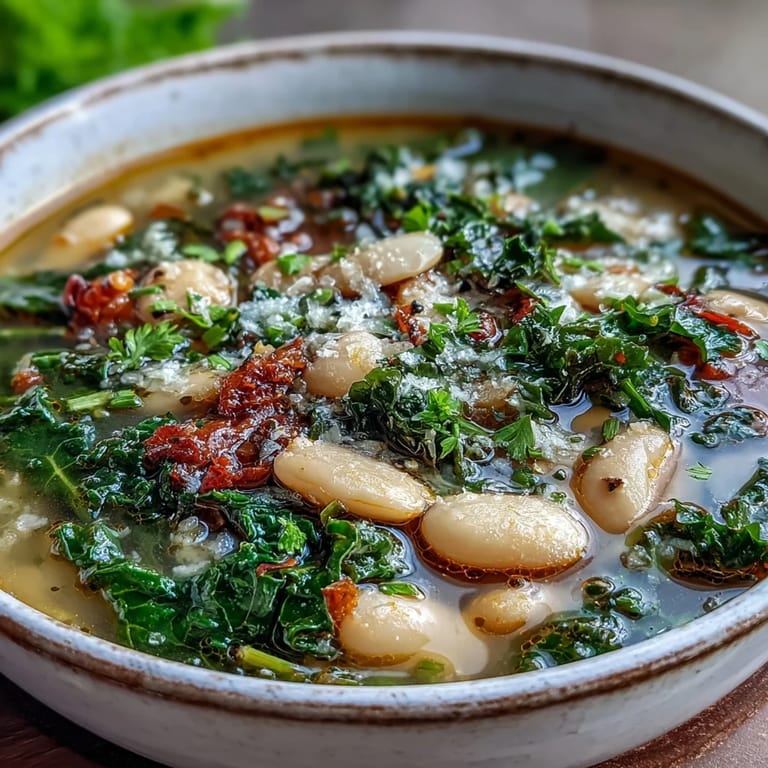
- Ladle the soup into bowls and top each one with freshly grated Parmesan, a good drizzle of olive oil, and a scatter of fresh parsley if you have it. The warm soup will make the Parmesan glisten slightly, and everything is better for the care you took in assembly.
 Pin this
 There was an evening when a friend who usually claims she doesn't eat soup sat down with a bowl of this and kept refilling it quietly, not saying much, just eating and seeming more peaceful with each spoonful. That's when I understood this soup isn't just about the ingredients—it's about what they become when you're patient and intentional with them.
The Quiet Art of Layering Flavor
Italian cooking teaches you that you don't need to rush, that softer vegetables cooked slowly develop a sweetness all their own, and that herbs aren't afterthoughts but actual builders of the dish. When I was learning to cook, I used to throw everything in at once and wonder why it tasted flat, but this recipe taught me that timing is texture, that patience is flavor. The order matters—the garlic only a minute because it's delicate, the kale just long enough to say hello to the heat, the whole pot simmering gently so nothing breaks down into sadness.
When Your Soup Tastes Thinner Than You Expected
If you reach the end of cooking and your soup feels too brothy, you have options and they're all honest. More aggressive mashing of the beans works well if you have a potato masher handy, but even just simmering uncovered for another ten or fifteen minutes lets steam escape and everything becomes more concentrated. I once made this for eight people instead of four and nearly panicked until I realized the solution was already in my hands—just let time do the work.
Making It Your Own
This soup is sturdy enough to handle your variations and flexible enough to meet you where you are. I've made it with spinach when kale wasn't available, added white wine to the broth because I had an open bottle and a generous mood, and even stirred in cooked chicken from leftover roasted birds. The bones of the recipe—the soffritto, the beans, the herbs, the Parmesan finish—those stay the same, but everything else is your kitchen, your preferences, your moment.
- Crusty whole-grain bread isn't optional if you really want to savor this; it's how you catch every drop of goodness.
- If you make a double batch, it freezes beautifully for up to three months, which means future you gets to enjoy this again without any effort.
- The night you make this, keep the temperature low and the spoon moving, and you'll understand why people have been making bean soups for centuries.
 Pin this
 This soup asks so little from you and gives back so much, a quiet kindness in a bowl that works on cold nights and also on days when you just need something real. Make it, share it, come back to it again and again.
Frequently Asked Recipe Questions
- → Can I substitute kale with another green?
Yes, spinach or Swiss chard can be used as milder alternatives, adding different textures and flavors.
- → How do I make the soup creamier?
Use a potato masher to mash some of the cannellini beans in the pot. This creates a thicker, creamier consistency.
- → What herbs enhance the flavor?
Dried thyme and rosemary add aromatic depth, perfectly complementing the beans and vegetables.
- → Is it possible to prepare this soup vegan?
Omit the Parmesan cheese or replace it with a plant-based alternative to keep the dish vegan-friendly.
- → What kind of broth works best?
Low-sodium vegetable broth maintains a balanced flavor and allows the other ingredients to shine.